
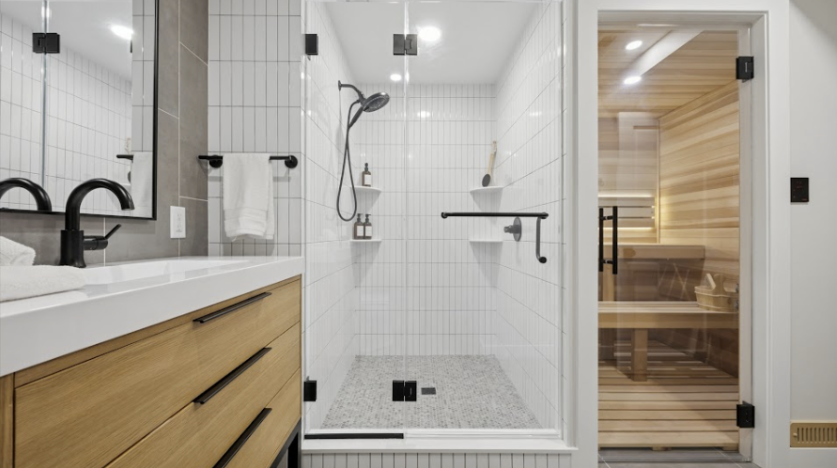
Choosing between a walk-in shower and a bathtub depends on how you use the bathroom, who uses the space, and what you want the remodel to feel like long-term. A walk-in shower can make the room feel open, polished, and easier to use each day. A bathtub can add comfort, flexibility, and a more traditional sense of relaxation.
For many bathroom remodels, the right choice is about layout, comfort, storage, resale considerations, aging-in-place goals, and the overall design of the home.
What Should You Consider First?
Start with how the bathroom is used most often. A primary bathroom used every day may benefit from a large walk-in shower with glass, detailed tile, and thoughtful storage. A hall bath used by children, guests, or visiting family may still need a bathtub.
The best remodel choice should serve the daily routine first. Beautiful finishes matter, but the layout needs to work comfortably before tile, fixtures, and vanities are selected.
Who Uses the Bathroom?
A primary bathroom has different needs than a shared hall bath or guest bathroom. If the room is mainly used by adults, a walk-in shower may feel more practical and luxurious. If children use the space, a bathtub may still be helpful.
Guests’ needs matter too. Some visiting family members may prefer a shower that is easy to enter. Others may appreciate a tub if they are staying for several days.
What Is Not Working Now?
The current bathroom can tell you a lot about what should change. Maybe the tub rarely gets used, the shower feels too small, or the room feels crowded because the existing bathtub takes up too much space.
A remodel gives you the opportunity to rethink the footprint. Sometimes replacing a tub with a walk-in shower creates a more open and elegant room. In other cases, keeping or upgrading the tub makes the bathroom feel more complete.
When Is a Walk-In Shower the Better Choice?
A walk-in shower is often the better choice when you want your newly remodeled bathroom to feel open, streamlined, and comfortable for daily use. It can also be a strong option for aging in place, especially when the shower includes a barrier-free entry.
For many homeowners, the walk-in shower vs. bathtub question comes down to routine. If you shower every day and rarely use a tub, a well-designed walk-in shower may bring more value to your daily life.
It Can Make the Room Feel Larger
A walk-in shower with glass can make a bathroom feel more open because the eye can travel through the space. This is especially helpful in bathrooms where the existing tub or shower-tub combination feels bulky.
Large-format tile, a frameless glass enclosure, and a low-profile threshold can create a cleaner visual line. The result feels polished without making the room feel crowded.
It Can Be Easier to Use
A walk-in shower can be designed for comfort now and flexibility later. Barrier-free entries, built-in benches, handheld showerheads, grab bar blocking, and wider clearances can all be included in a refined way.
These details do not need to make the bathroom feel clinical. When planned early, aging-in-place features can blend into the overall design and feel natural in the finished room.
When Is a Bathtub the Better Choice?
A bathtub is often the better choice when the bathroom serves children, guests, or anyone who enjoys soaking. It can also help preserve the traditional function of a full bathroom.
The bathtub vs. walk-in shower decision should consider the whole home. If no other bathroom has a tub, removing the only one may not be the best fit for every household as part of a luxury bathroom remodel.
It Can Add a Sense of Relaxation
A tub can create a quiet focal point in a primary bathroom. A freestanding tub, built-in soaking tub, or tub set near a window can make the room feel calm and personal.
The surrounding details matter. Tile, lighting, floor space, plumbing fixtures, and nearby storage all shape how luxurious the tub area feels.
It Can Serve More Household Needs
A bathtub can be useful for families with young children, visiting relatives, pets, or guests who prefer bathing. In a hall bathroom, a tub may offer more flexibility than a shower alone.
If the bathroom has enough room, some homeowners choose to keep a tub and upgrade the shower separately. This can work beautifully in a larger primary bathroom where both features have space to breathe.
Can You Include Both a Walk-In Shower and a Bathtub?
Yes, if the bathroom has enough space, including both can create a balanced and luxurious room. A separate walk-in shower and bathtub give you flexibility, comfort, and a strong design presence.
This approach works best when the layout supports it naturally. If both features are forced into the room, the bathroom can feel crowded instead of refined.
The Layout Needs Room to Breathe
A separate shower and tub should have comfortable clearances. The vanity, toilet, storage, and walking paths still need to work well.
A design-build team can review the footprint and determine whether both features make sense. Sometimes a larger shower and stronger vanity design will serve the room better than trying to fit in every feature.
Materials Should Tie the Features Together
When a bathroom includes both a shower and tub, the materials should feel connected. Tile, stone, plumbing finishes, glass, cabinetry, and lighting should all contribute to one cohesive design.
For example, the same stone can appear at the vanity and tub deck. Shower tile can connect to the floor pattern. Fixtures can repeat the same finish across the room.
Create a Bathroom That Fits Your Home
The choice between a walk-in shower and a bathtub should support the way you use the bathroom every day. A walk-in shower can create openness, comfort, and ease of use. A bathtub can add relaxation, flexibility, and a classic bathing experience.
Windle Design & Construction creates bathrooms with thoughtful planning, detailed craftsmanship, and a clear design-build process. If you’re ready to decide between a bathtub and walk-in shower for your remodel, contact Windle Design & Construction to start planning your bathroom remodel.