
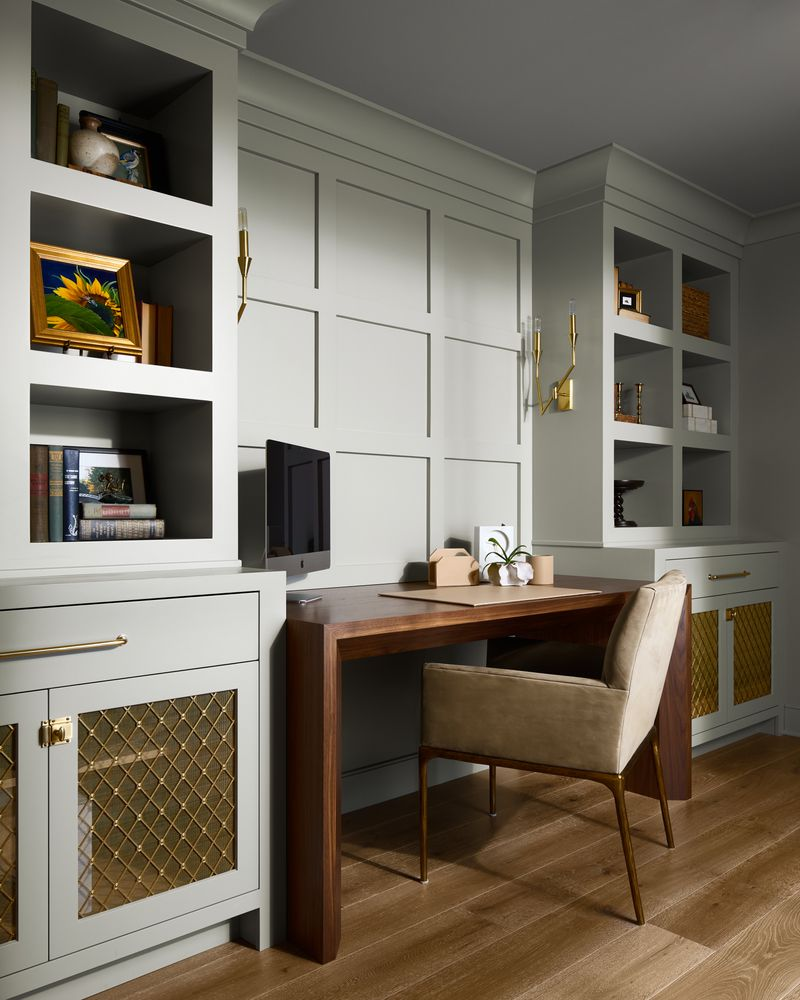
Your home office has probably taken on a much larger role than it once did.
What may have started as a temporary setup now supports full workdays, meetings, deadlines, and focused time. When your home office feels cramped, distracting, or disconnected from how you actually work, that strain tends to show up quietly and repeatedly.
Home office remodeling gives you the opportunity to reset how this space works for you. With thoughtful planning and a clear understanding of your daily routine, your home office can feel comfortable, productive, and intentionally connected to the rest of your home rather than feeling like an afterthought.
Keep reading to learn about our favorite tips and inspiration for remodeling a home office, plus where to start the process.
Why a Dedicated Home Office Matters More Than Ever
A dedicated home office gives work a clear place within your home.
Instead of spreading across kitchen counters, dining tables, or shared living spaces, your workday has a defined beginning and end. Having a separate space makes it easier to focus during the day and step away when work is done.
When your home office is designed intentionally, it also supports consistency. Lighting, layout, storage, and sound control all work together to create a space that feels dependable throughout the day. Over time, that consistency can make work feel more manageable and less disruptive to the rest of your home.
Planning Your Home Office Remodel
A successful home office remodel starts with a thorough plan.
Before selecting finishes or furniture, it’s important to think through how your home office should function now and how it might need to function in the future. These early decisions guide every part of the project and help prevent costly changes later.
Defining How the Space Will Be Used
Your home office should reflect how you actually work, not how an office looks in a photo. Some people need long stretches of quiet focus, while others spend much of the day on calls or moving between tasks. How you use technology, paperwork, storage, and desk space all influence the design.
Defining your workspace needs early allows your home office to feel tailored to your routine. The space works with your habits rather than forcing you to adjust to the room.
Choosing the Right Location in Your Home
The location of your home office has a significant impact on how it feels and functions. Natural light, privacy, and proximity to shared spaces all affect comfort and focus. A space near busy areas may need more sound control, while a more isolated room may benefit from additional light.
Choosing the right location helps reduce distractions while still keeping your home office connected to the flow of your home.
Why You Should Consider a Home Office Addition
In some homes, existing rooms may not be the right fit for supporting your home office needs. A home office addition allows for more flexibility in layout, light, and long term use. It also gives you the opportunity to design the space specifically around work rather than adapting an existing room.
An addition can help preserve the function of other rooms, keeping bedrooms, living spaces, and shared areas dedicated to their original purpose.
Layout and Space Planning for Productivity
Layout plays a key part in how your home office functions every day.
Even a beautifully finished space can feel frustrating if movement, circulation, and desk placement aren’t planned carefully. There are multiple different layout options to choose for depending on if you have an open home, enclosed rooms, a single use room, or a shared space that doubles as your office.
Open vs. Enclosed Home Office Designs
An open home office can feel bright and connected, especially in homes with limited square footage. This approach often works well when visual connection to other spaces feels important. An enclosed home office provides more privacy and better sound control, which can be essential for focused work or frequent calls.
Choosing between open and enclosed designs depends on how much separation your workday requires and how the office interacts with surrounding spaces.
Designing for Single vs. Shared Workspaces
Some home offices are designed for one person, and others need to support shared use. Shared offices require careful planning so each person has enough space to work comfortably without distraction.
Desk placement, circulation paths, and storage must work together so the room feels balanced rather than crowded or divided.
Built-In Storage and Organization Solutions
Storage has a direct impact on how calm and usable your home office feels. When storage is planned intentionally, it prevents clutter from building up and makes daily tasks easier.
Custom Desks, Shelving, and Cabinetry
Custom desks and built in cabinetry allow storage to be tailored to your space and your work style. These solutions make better use of wall space and help keep frequently used items within reach.
Built-ins also help your home office feel cohesive rather than assembled from mismatched furniture pieces. Creating custom built-in desks, shelving, and cabinetry, give your home office a luxury, bespoke feel.
Reducing Clutter With Smart Storage Design
Clutter often builds when storage doesn’t reflect how the space is actually used. A thoughtful mix of closed and open storage helps maintain visual balance while still keeping essentials accessible. Using both open and closed storage allows your home office to stay organized without feeling overly rigid or sterile.
Lighting Design for a High-Performance Home Office
Lighting affects how your home office feels from morning through evening. Poor lighting can cause eye strain and fatigue, even in a well designed room.
Maximizing Natural Light
Natural light helps your home office feel open and inviting. Desk placement and window treatments should allow daylight to support your work without creating glare or visual discomfort.
Most people work better in a space with natural light, but you don’t want to feel too exposed while working either. Balancing natural light with privacy helps your space stay comfortable throughout the day.
Task Lighting and Layered Lighting Strategies
Layered lighting combines ambient, task, and accent lighting. This strategy allows your home office to adapt to different tasks, from focused work to casual reading or meetings.
Examples of intentionally placed task lighting might include a small lamp on your desk for evening work, or a floor lamp placed right over your favorite reading nook in the office. Thoughtful lighting placement helps reduce shadows and supports consistent concentration.
Ergonomics and Comfort in Home Office Design
Comfort is very important in a space that you use for long periods of time. Ergonomic design supports posture and movement, helping reduce physical strain throughout the workday.
Desk Height, Seating, and Monitor Placement
Proper desk height and monitor placement help maintain comfortable posture and reduce neck and shoulder strain. Seating should support your natural movement and allow for extended work sessions without discomfort.
These elements often influence daily comfort more than decorative choices. Our team helps you find pieces that fit your space, are ergonomic, and beautiful.
Designing for Long Work Sessions
A well designed home office allows you to work for extended periods without feeling worn down. Circulation space, lighting placement, and storage access all contribute to ease of use.
When your space supports both your body and your workflow, workdays feel more sustainable.
Acoustic Design and Sound Control
You might not notice it right away, but sound control plays an important role in focus and privacy, particularly in busy households.
Focusing on important work tasks is much easier in a sound controlled environment rather than one where you can hear your family talking throughout the house.
Soundproofing Walls, Doors, and Ceilings
Soundproofing strategies help reduce noise transfer between rooms. This can be especially helpful if your home office is located near shared living spaces or high traffic areas.
Even modest sound control improvements can noticeably improve concentration, and in turn, productivity.
Managing Noise in Shared Homes
In shared homes, background noise can interrupt focus. Thoughtful design helps manage sound without isolating your home office completely.
Our goal is to create balance between privacy and connection. You need to be able to focus on your work, without feeling completely isolated from your family and their needs as well.
Technology and Infrastructure Considerations
Your home office needs the right infrastructure to function smoothly day after day. Planning for these elements early keeps the space organized and reliable.
Electrical, Data, and Power Planning
Adequate outlets and data connections support daily use. Planning these elements during remodeling helps avoid visible cords and temporary fixes. This preparation allows your home office to function consistently.
Video Conferencing and Equipment Integration
Video calls are part of many workdays. Thoughtful placement of equipment, lighting, and backgrounds helps your home office feel polished and professional. These details improve both comfort and confidence during meetings.
Flooring and Finishes That Support Daily Use
Materials influence how your home office feels under constant use. Durable, comfortable finishes help the space perform well over time.
Durable Flooring Options for Home Offices
Flooring should be able to handle frequent movement but be comfortable underfoot. Durability and ease of maintenance both matter in a space used every day.
The right flooring choice supports long term performance.
Choosing Finishes That Reduce Distraction
Subtle finishes and balanced textures help maintain focus. Overly busy patterns or high contrast surfaces can be very distracting during long work sessions.
A calm color palette reduces visual discomfort throughout the day and improves peace of mind.
HVAC and Indoor Comfort
Temperature and air quality play big roles in comfort and focus in your home office.
Temperature Control for Consistent Comfort
Consistent temperature helps your home office feel comfortable year round. Spaces that run too warm or too cool can make work feel uncomfortable.
Thoughtful HVAC planning helps regulate the comfort of your home office throughout the day.
Air Quality and Ventilation Improvements
Good ventilation supports overall comfort and well being. Improved airflow helps your home office feel fresh during long hours of use. These improvements contribute to a healthier indoor working environment.
Flexible Home Office Design for Changing Needs
Your work needs may change over time. A flexible home office design allows the space to adapt without major renovations.
Dual-Purpose Offices and Guest Room Combos
Some home offices also serve as guest rooms or secondary living spaces. Designing for dual use requires careful planning so neither function feels compromised.
Our team can work with you to create flexible layouts that allow the room to shift easily when needed.
Designing Spaces That Adapt Over Time
Future flexibility might include additional storage, seating, or equipment. Planning for change helps your home office remain useful long term. This adaptability adds lasting value not just to your home office, but to your entire home.
Storage for Paperwork and Specialized Equipment
Paperwork and equipment often require specific storage solutions to stay organized.
Filing Systems and Secure Storage Solutions
Secure filing systems help organize important documents while maintaining a clean appearance. Thoughtful placement keeps storage accessible without dominating the room. This organization supports daily efficiency.
Accommodating Printers and Tech Hardware
Printers and equipment need adequate space and ventilation. Integrating these elements into the design prevents clutter and improves functionality.
Is a Home Office Remodel Right for Your Home?
If your current setup feels limiting or uncomfortable, home office remodeling may be worth considering. The right design can support productivity, comfort, and long term flexibility.
Windle Design & Construction approaches home office remodeling with a fully integrated design build process. By guiding planning, design, and construction together, we help create home offices that feel balanced, functional, and thoughtfully designed for everyday use.
Chat with us today to see how we can put our home office remodeling expertise to work in your home.