
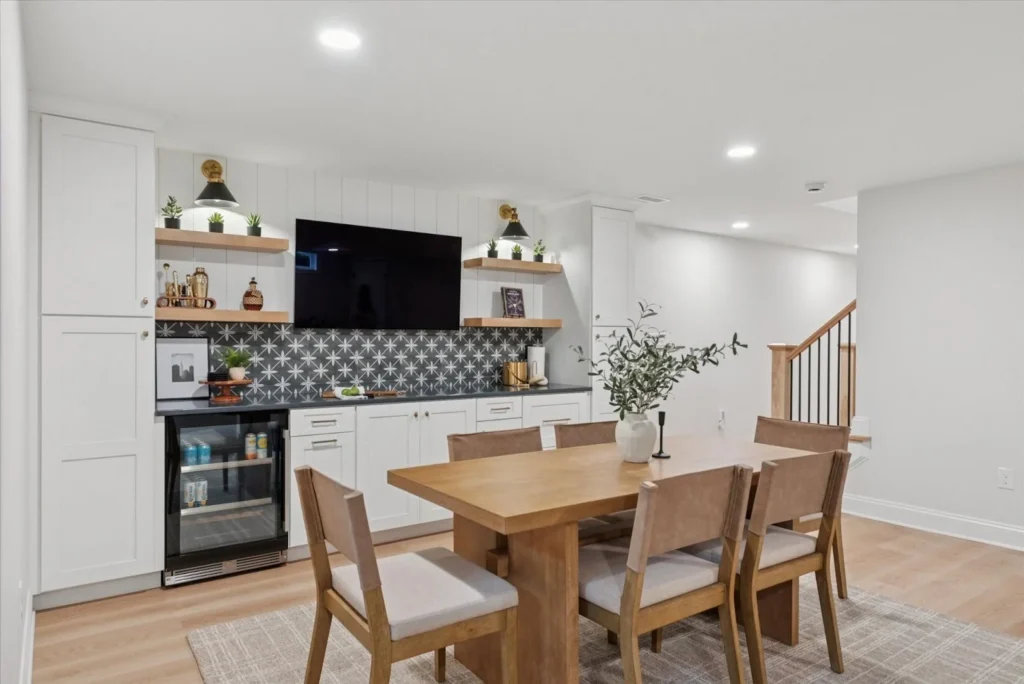
Building a custom home is one of the most personal and rewarding projects you can take on, giving you the opportunity to shape every detail around how you live and what you value. For homeowners considering custom homes in Malvern PA, the process starts long before construction begins
We’ve found that the most successful projects come from thoughtful planning, clear communication, and a design that reflects both your lifestyle and your property. With the right guidance, the experience feels structured, exciting, and grounded in a clear vision from start to finish.
This guide walks through where to start, what to expect, and how working with experienced Malvern custom home builders can help bring your ideas into a home that feels complete, refined, and built to last.
Where Should You Start When Planning a Custom Home?
The starting point for any custom home in Malvern, PA is understanding how you want to live in the space, how you move through it, how you gather, and how your needs might shift over time. A clear sense of lifestyle priorities helps shape early design decisions in a meaningful way.
Defining Your Lifestyle and Priorities
Every custom home should reflect the people living in it. Some homeowners want open gathering spaces that connect the kitchen, dining, and living areas. Others prefer more defined rooms that offer privacy and quiet. Your daily routines guide these choices.
It also helps to think about future needs. Whether that includes flexible guest spaces, home offices, or aging-in-place considerations, early planning allows these elements to be incorporated naturally into the design.
Evaluating Your Property
Your property plays a major role in shaping the layout and structure of your home. Factors like topography, sunlight, access, and surrounding views all influence how the design comes together.
A thoughtful evaluation of the land helps determine placement, orientation, and how the home interacts with its environment. This step sets the foundation for a home that feels connected to its setting rather than placed on top of it.
What Does the Custom Home Design Process Look Like?
Design is where ideas begin to take form. It moves your vision from conversation into drawings, layouts, and material selections that define the character of your home.
Initial Design Conversations
The process starts with a detailed discussion about your goals, preferences, and how you want your home to function. This is where your ideas are explored, refined, and organized into a clear direction.
We approach this stage as a collaboration. It allows for open dialogue, thoughtful questions, and a deeper understanding of what matters most in your space.
Concept Development and Layout Planning
Once priorities are established, the design team creates initial layouts that reflect your lifestyle and property conditions. These concepts show how rooms connect, how spaces flow, and how the home is organized.
Refinements happen through review and feedback. Adjustments to room sizes, circulation, and features help shape a layout that feels intuitive and balanced.
Material and Finish Selections
Selections bring personality and texture into the design. From flooring and cabinetry to lighting and architectural details, each choice contributes to the overall look and feel of the home.
Careful coordination during this phase allows for a cohesive design. Materials are chosen not only for appearance but also for performance and long-term durability.
Why Does a Design-Build Approach Matter?
Choosing a design-build team changes how your project moves from concept to construction. Instead of separating design and building into different entities, everything is managed under one roof.
Consistency From Start to Finish
A unified team allows for consistency across every phase of the project. Designers and builders work together from the beginning, which keeps decisions connected and reduces gaps in communication.
This approach helps maintain the integrity of the original design. What is planned is carried through into construction with a clear understanding of intent.
Clear Communication and Project Flow
Communication plays a central role in custom home projects. With a design-build team, updates, timelines, and adjustments move through a single channel.
This structure allows for a smoother process. Questions are answered quickly, changes are addressed efficiently, and the project moves forward with clarity.
How Do You Choose the Right Layout for Your Home?
The layout of your home shapes how it feels to live in day to day. It affects movement, comfort, and how spaces relate to one another.
Creating a Natural Flow
A well-designed layout feels easy to navigate. Rooms connect in a way that makes sense, with transitions that feel natural rather than forced.
Open concepts are often used to create connections between main living areas. At the same time, thoughtful separation can provide quiet spaces when needed.
Balancing Shared and Private Spaces
Custom homes often include a mix of shared areas and private retreats. Living rooms, kitchens, and outdoor spaces encourage gathering, whilst bedrooms and offices provide space to step away.
The balance between these areas is shaped by your lifestyle. A thoughtful layout allows each space to serve its purpose without feeling disconnected from the rest of the home.
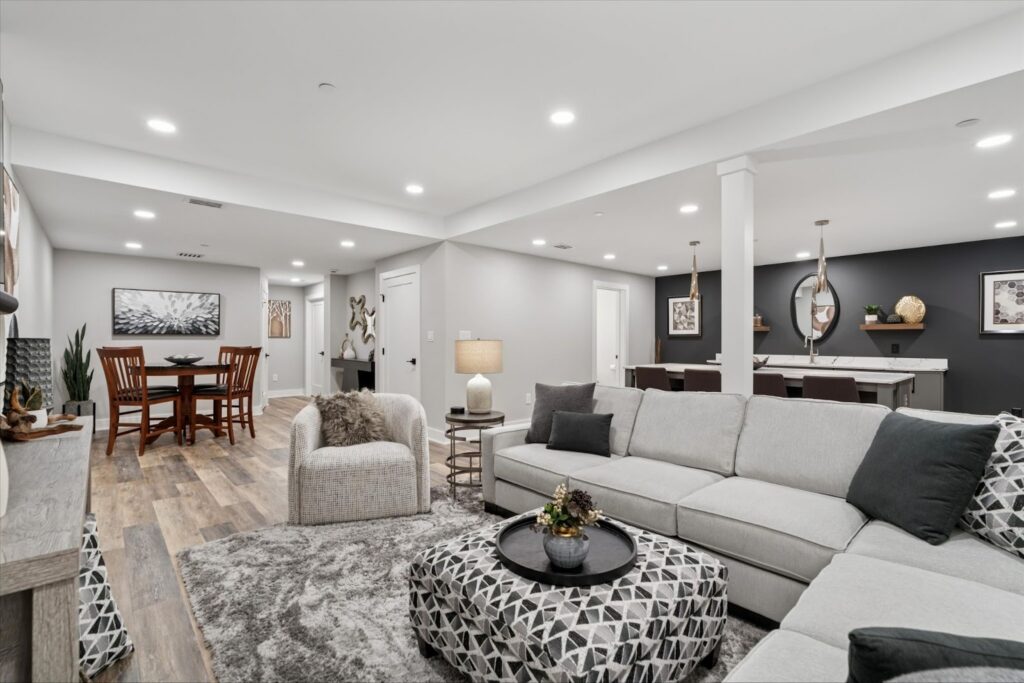
What Role Do Materials and Craftsmanship Play?
Materials and craftsmanship define how your home looks, feels, and performs over time. These elements go beyond appearance and influence the overall quality of the finished space.
Selecting Materials That Fit Your Style
Every material contributes to the design language of your home. Natural stone, wood finishes, and custom millwork can create a warm, refined environment that feels intentional.
Selections should reflect both your aesthetic and how you use the space. Durability, maintenance, and longevity all factor into the decision-making process.
Craftsmanship That Brings the Design Together
Craftsmanship is where the design is realized in physical form. Precise installation, attention to detail, and skilled execution shape the final result.
A high level of craftsmanship allows each element to fit together seamlessly. The result is a home that feels polished and thoughtfully constructed.
How Long Does It Take To Build a Custom Home?
Timelines for custom homes vary based on size, complexity, and the level of detail involved. Planning, design, and construction all contribute to the overall schedule.
Planning and Design Timeline
The design phase can take several months, depending on how detailed the project is and how many revisions are needed. This stage includes layout development, selections, and preparation for construction.
Taking the time to refine the design early helps avoid delays later. A well-developed plan allows construction to move forward more smoothly.
Construction Timeline
Construction timelines vary, but most custom homes take several months to over a year to complete. The schedule depends on factors such as site conditions, weather, and the complexity of the design.
A structured approach to project management keeps the timeline organized. Clear milestones and consistent communication help maintain progress throughout construction.
What Should You Expect During Construction?
Construction is where the vision becomes tangible. It involves coordination between multiple trades, careful scheduling, and ongoing communication.
Site Preparation and Framing
The process starts with site preparation, including grading and foundation work. Once the foundation is in place, framing begins to define the structure of the home.
At this stage, the layout becomes visible. Walls, openings, and rooflines take shape, giving a clear sense of the home’s scale and design.
Interior and Exterior Finishing
As construction progresses, attention shifts to interior and exterior finishes. This includes drywall, flooring, cabinetry, and exterior materials.
Each phase builds on the previous one. Careful coordination allows for a consistent flow, with each detail contributing to the overall design.
How Do You Stay Involved Throughout the Process?
Homeowners play an important role in the custom home process. Staying engaged helps keep the project aligned with your expectations.
Regular Updates and Walkthroughs
Scheduled updates and site visits provide insight into progress. They allow you to see how the home is coming together and ask questions along the way.
These touchpoints also create opportunities to address any adjustments. Staying informed helps maintain confidence throughout the process.
Decision Points Along the Way
Even with detailed planning, there are moments where decisions need to be made during construction. These might involve material selections, finishes, or minor layout adjustments.
Having a clear design framework makes these decisions easier. It allows choices to be made in a way that stays consistent with the overall vision.
What Sets Custom Homes Apart From Pre-Built Options?
Custom homes offer a level of personalization and quality that is difficult to achieve with pre-built properties. Every element is shaped around your preferences and priorities.
A Home Designed Around You
Instead of adapting to an existing layout, a custom home is designed uniquely for how you live. Spaces are tailored to your routines, preferences, and long-term needs.
This approach creates a home that feels intuitive. Each room serves a purpose and connects naturally to the rest of the space.
Long-Term Value and Satisfaction
Custom homes are built with attention to detail and a focus on durability. Materials, construction methods, and design choices are selected with long-term performance in mind.
The result is a home that not only looks refined but also holds up over time. This level of care contributes to both comfort and lasting value.
Bringing Your Custom Home Vision To Life
Building custom homes in Malvern, PA is a process that starts with thoughtful planning and continues through each stage of design and construction. With the right team, the experience feels guided, organized, and aligned with your goals from start to finish.
At Windle Design & Construction, we take a design-build approach that keeps every part of your project connected. From early conversations to final details, our team works closely with you to create a home that reflects your lifestyle and stands the test of time.
If you’re ready to start planning your custom home, we’re here to help you move forward with clarity and confidence.