
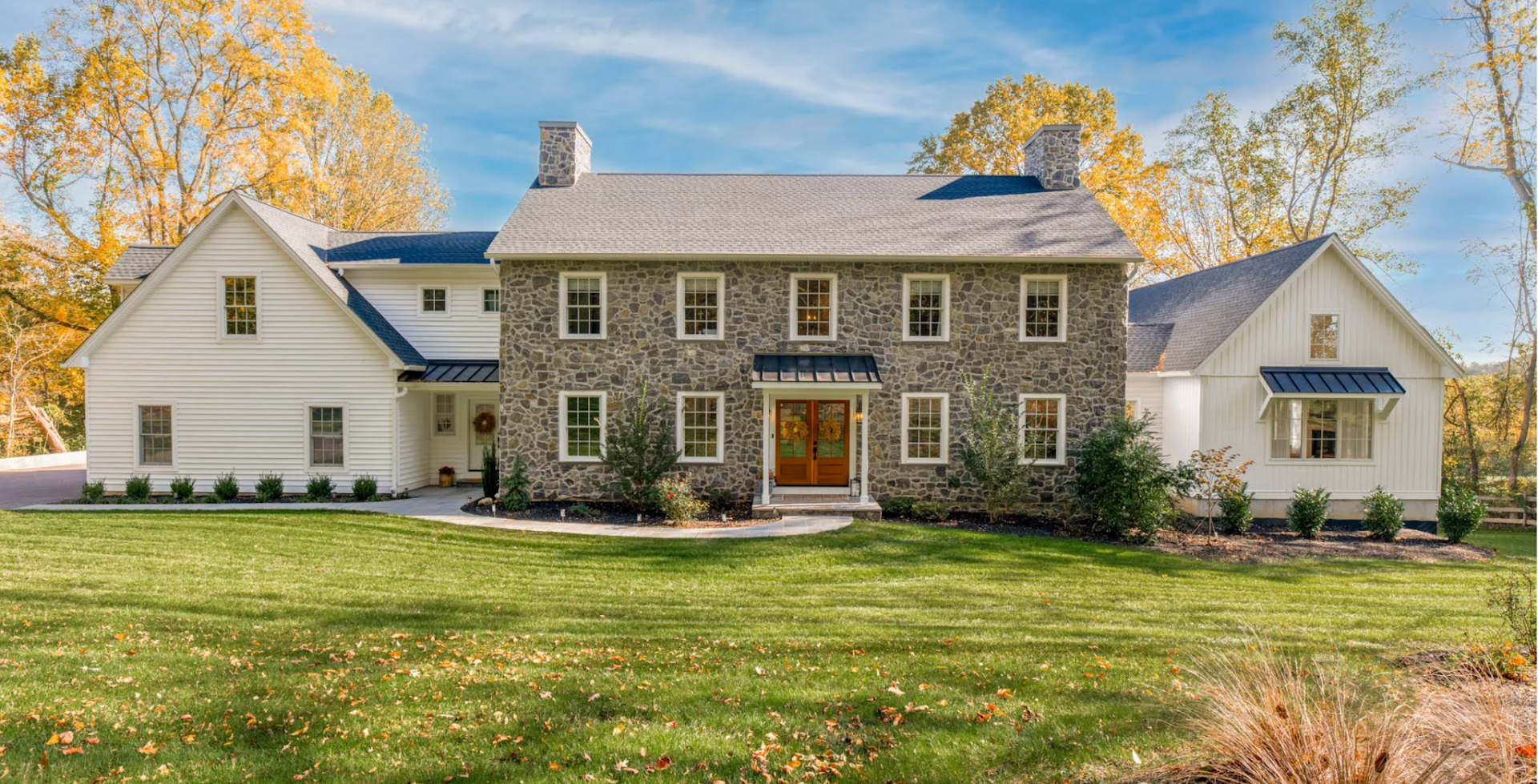
When an architect partners with a design-build firm on a residential project, one of the first questions a client tends to ask is how involved they’ll actually be once construction begins.
Homeowners who spent months shaping a design with their architect often worry that their voice fades into the background the moment building starts. A well-structured architectural collaboration keeps that from happening, and it’s worth understanding how that plays out day to day.
Windle Design & Construction partners with architects on custom homes and larger renovations, and keeping the client engaged through every phase is central to how that partnership works.
Why Does Client Involvement Matter Once Construction Begins?
A residential project succeeds when the finished home reflects the client’s original intent, not just the drawings that got approved.
Clients notice the difference between a home built to spec and a custom home built with their preferences still actively shaping decisions along the way. Material selections, finish details, and small adjustments discovered on-site all benefit from the client staying part of the conversation.
For an architect, this matters just as much professionally. A client who feels heard throughout construction is more likely to trust the process, recommend the architect for future work, and view the finished project as a genuine collaboration rather than something that happened to them.
How Does Architecture Project Collaboration Keep the Client Connected?
Because Windle’s designers and builders work from the same plan and the same priorities, updates to the client don’t have to pass through multiple disconnected parties before reaching them.
When a question comes up on-site, whether it’s a material substitution or a sequencing decision, it can be answered with full knowledge of both the design intent and the construction reality, then brought back to the client quickly and clearly.
This structure also gives clients more natural touchpoints throughout the build. Rather than hearing from a contractor only when something has already gone a certain direction, clients working with a collaborative design-build team tend to be looped in while decisions are still open, particularly on selections that affect how a space will look and feel.
Keeping the Architect in the Loop, Too
Client involvement doesn’t mean the architect steps back. Windle’s approach keeps the architect informed alongside the client, so design intent stays protected even as day-to-day decisions happen on-site. An architect can trust that a field adjustment won’t quietly drift away from the vision they and the client developed together.
What Does This Look Like Through the Life of a Project?
Early in a project, client involvement often centers on confirming layout decisions and understanding how the design translates into a buildable plan. As construction progresses, the focus shifts toward finish selections, fixtures, and the smaller details that make a house feel personal.
Throughout each phase, clients working with Windle can expect clear communication about what’s happening, what decisions are coming up next, and how much time they have to make them.
That predictability reduces the anxiety that can come with a long construction timeline, and it gives clients a sense of ownership over choices that will shape their daily life in the finished home.
Handling Changes Without Losing Momentum
Every project encounters moments where an original plan needs to adjust, whether due to a structural finding or a client’s evolving preference.
An architectural collaboration-focused design-build structure makes those adjustments easier to manage, because the same team weighing the change also understands its impact on both design and schedule. Clients get a clear picture of their options rather than a delayed, secondhand explanation.
How Does This Structure Support the Architect’s Role?
A design-build partnership works best when it strengthens the architect’s relationship with their client rather than stepping in front of it.
Windle approaches these partnerships as an extension of the architect’s vision, not a separate voice competing for the client’s attention. Design decisions still trace back to the architect’s original intent, with construction expertise brought in to support that vision rather than reshape it.
This means architects stay positioned as the trusted lead on the project’s design direction, even as day-to-day construction questions get resolved efficiently in the field. Clients see a coordinated team working from a shared plan, which reflects well on the architect who brought that team together.
What Questions Should Architects Ask a Potential Design-Build Partner?
Architects evaluating a design-build partner for an upcoming project should ask how client communication actually happens once construction begins. Who reaches out with updates, how often, and through what channel? It’s also worth understanding how the partner handles on-site decisions that affect the client, and whether the architect is looped in at the same time as the client or after the fact.
The right partner treats these questions as an opportunity to explain a genuine process, not a hurdle to get past. A design-build firm confident in its collaborative approach should be able to walk through exactly how a client stayed informed and involved on past projects of a similar scope.
Building Trust Through the Whole Process
Clients remember how a project felt as much as how it turned out. A build where they felt informed, consulted, and respected tends to produce a stronger relationship with their architect and a greater sense of pride in the finished home, regardless of how complex the project became along the way.
For architects considering a design-build partner for an upcoming project, Windle Design & Construction offers a structure built around exactly this kind of ongoing client involvement. If you’d like to talk through what that architecture project collaboration could look like on your next project, reach out to our team today to start the conversation.