
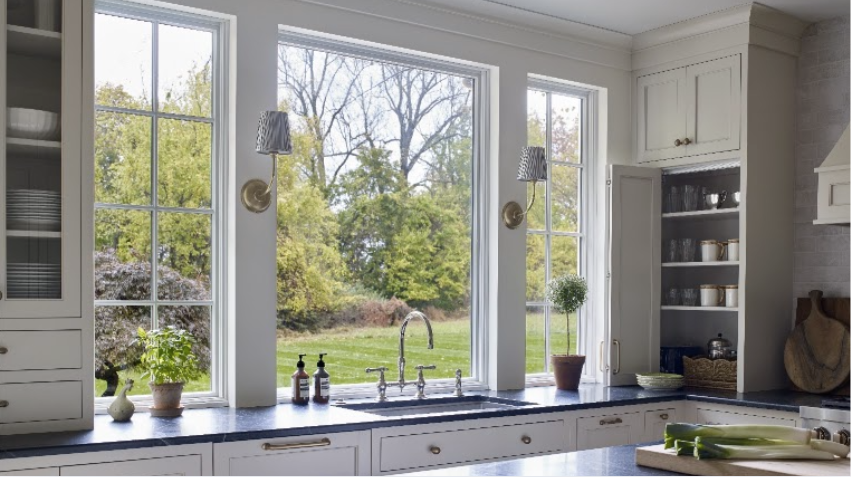
Residential architects can expect a home remodeling contractor to protect the design intent, communicate clearly, understand construction details, and treat the architect and contractor relationship as a true architectural partnership. The best projects happen when both sides bring their expertise into the process early and stay connected through the final details.
Architectural collaboration is especially important in residential remodeling because existing homes rarely offer a blank slate. Walls, structure, mechanical systems, framing, finishes, and past renovations all shape what can be built and how the finished space will feel.
What Should Architects Expect at the Start of a Remodeling Project?
Architects should expect a thoughtful review of the home, the drawings, the design goals, and the practical construction conditions. This early stage sets the tone for the entire project.
A remodeling contractor should not simply receive plans and begin work without asking careful questions. The contractor should understand the purpose behind the design, the homeowner’s priorities, and the details that need to be protected throughout construction.
The Contractor Should Study the Existing Home
A residential remodel begins with what is already there. Existing framing, ceiling heights, stair placement, window openings, plumbing lines, electrical paths, and mechanical systems can all affect the project.
A strong contractor reviews these conditions with care. This helps identify places where the design may need field coordination before the project moves too far forward.
The Contractor Should Understand the Design Intent
Design intent matters. A custom kitchen, primary suite, bathroom remodel, addition, or basement renovation should not lose its character during construction.
Architects should expect the contractor to ask about proportion, material transitions, millwork details, sightlines, and the feeling each space should create. These conversations help the finished work stay close to the architectural vision.
How Should Architectural Collaboration Work During Planning?
Architectural collaboration should be clear, respectful, and organized. Architects bring design knowledge, proportion, planning, and creative direction. Contractors bring construction sequencing, trade coordination, material knowledge, and field experience.
Both perspectives are needed. When they are shared early, the project has a stronger foundation.
Questions Should Be Raised Early
A good home remodeling contractor should raise questions before they become field issues. That might include framing conditions, cabinet clearances, tile transitions, lighting locations, window placement, or how a new opening meets the existing structure.
These questions are not a challenge to the design. They are part of a healthy architecture project collaboration. The goal is to support the design by making sure the details can be built with care.
Decisions Should Be Documented
Residential remodeling includes many details. Small changes to trim, cabinetry, lighting, flooring, or fixture placement can affect the finished room.
Architects should expect a contractor to keep decisions organized. Clear documentation helps the architect, homeowner, and construction team stay connected to the same plan.
What Role Should the Contractor Play in Protecting Design Details?
A design-build home remodeling contractor should help carry the design from the page into the home. That means protecting the details that make the project feel custom.
This role is especially important when a remodel includes custom millwork, specialty tile, detailed cabinetry, architectural lighting, fireplaces, vaulted ceilings, or connections between old and new spaces.
Craftsmanship Should Match the Design
Detailed design calls for detailed construction. A carefully drawn built-in, paneled wall, bathroom vanity, stair detail, or fireplace surround depends on skilled execution.
Architects should expect the contractor to understand the importance of scale, spacing, reveal lines, trim profiles, and finish transitions. These details influence whether the finished space feels refined or simply completed.
Materials Should Be Handled With Care
Quality materials need thoughtful coordination. Stone, wood, tile, cabinetry, glass, hardware, and lighting all have their own installation needs.
A contractor should understand how material selections affect sequencing and craftsmanship. When this is handled well, the finished home feels cohesive and carefully built.
How Should Communication Work Between Architects and Contractors?
Communication should be consistent, direct, and grounded in the project goals. A strong architect and contractor relationship depends on mutual clarity.
Architects should expect the contractor to communicate about field conditions, scheduling, trade coordination, material timing, and any construction detail that may affect the design.
Updates Should Be Useful
Good communication does not mean sending updates without purpose. It means sharing the right information at the right time.
An architect should know when a design detail needs review, when an existing condition affects the plan, or when a selection needs clarification. This helps decisions happen thoughtfully, rather than under pressure.
Collaboration Should Stay Professional
A successful architectural partnership works best when each side respects the other’s expertise. The architect protects the vision. The contractor protects the build process. Together, they help the homeowner move through the remodel with greater confidence.
When questions come up, the conversation should stay focused on the home, the design, and the best path forward.
What Should Architects Expect During Construction?
During construction, architects should expect the contractor to manage the work carefully and keep the project connected to the approved design. The construction phase is where planning, communication, and craftsmanship meet.
A remodeling contractor should coordinate trades, review details in the field, and address questions before they affect the final appearance of the home.
Field Conditions Should Be Reviewed Thoughtfully
Existing homes can reveal unexpected conditions once work begins. A wall may contain framing that was not visible before. Mechanical systems may need a different route. Previous renovations may create irregular transitions.
A strong contractor communicates these issues clearly and brings possible solutions to the conversation. This helps the architect respond with the design intent in mind.
Trade Partners Should Understand the Standard
Architects should expect the contractor to guide the trades working on the home. Tile installers, carpenters, electricians, plumbers, painters, and other specialists all affect the finished result.
The contractor should communicate expectations clearly, review work carefully, and keep the project moving according to the design plan.
Build Stronger Residential Projects Through Collaboration
Architects can expect a strong home remodeling contractor to communicate clearly, review existing conditions carefully, respect the design intent, coordinate trades, and help the finished project reflect the original vision.
When architectural collaboration is handled well, the process feels more organized and the final home feels more complete. The architect, contractor, and homeowner can all work from a shared understanding of what the space should become.
If you’re looking for a residential design-build team that values architecture project collaboration, contact Windle Design & Construction to start a thoughtful conversation.