
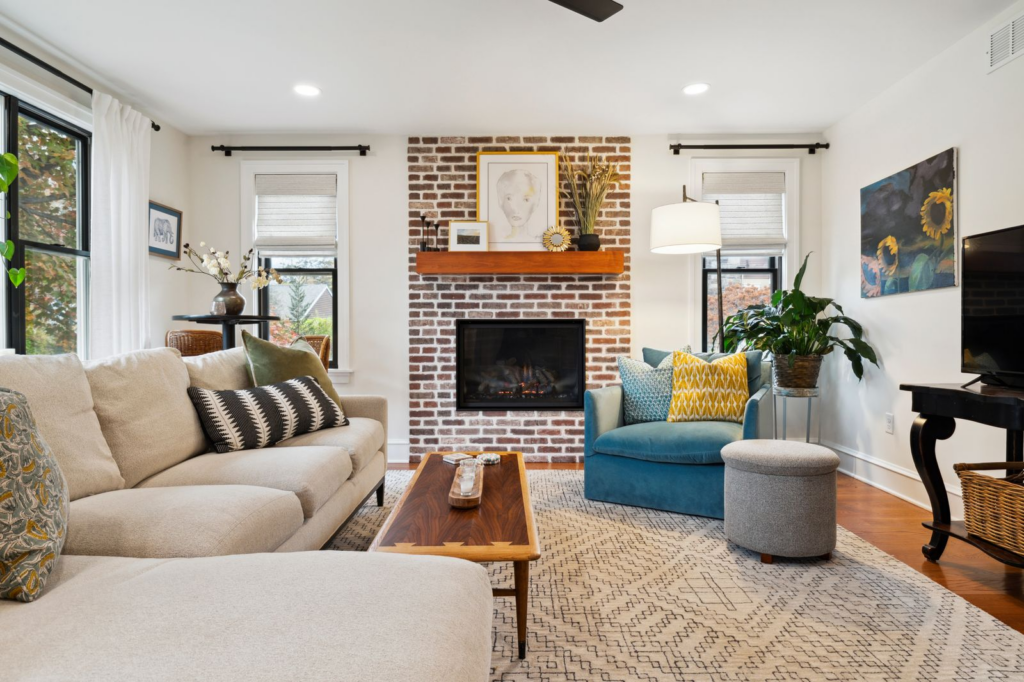
Aging-in-place remodeling is the process of updating your home so it continues to support you comfortably, safely, and confidently as your needs change over time.
Rather than reacting to challenges later, it allows you to plan ahead and make thoughtful improvements that help you stay in your home longer without sacrificing how it looks or feels.
An aging in place remodel doesn’t mean changing who your home is or how it looks. When it’s done well, the updates feel like natural improvements that make daily life easier now and allow your home to keep supporting you as your needs change.
The goal is comfort, confidence, and flexibility without sacrificing the style and character that made you love your home in the first place.
What Aging-in-Place Remodeling Means
Aging-in-place remodeling focuses on helping you stay in your home longer by making it easier and safer to live in over time.
An aging-in-place remodel often includes layout adjustments, better circulation, safer surfaces, and small structural changes that don’t draw attention to themselves. When planned carefully, these updates feel like smart upgrades rather than obvious accommodations, which is why many homeowners choose to address them earlier than they think they need to.
Designing a Home That Adapts Over Time
Homes that adapt well over time are designed with flexibility at the core.
Wider pathways, smoother transitions, and layouts that allow easier movement all help your home stay functional as routines change. These features don’t just help in the future, they usually improve daily comfort right away.
Designing for adaptability also helps reduce disruption later. Instead of facing a major renovation during a stressful time, many of the most important changes are already in place. Your home feels familiar, but it quietly works better for you year after year.
Why Planning Ahead Matters for Homeowners
Planning ahead gives you control over both the design and the timeline.
Instead of making decisions quickly because something suddenly feels unsafe, you’re able to think through what will actually help you long term. That leads to better choices and a smoother remodeling experience overall.
Early planning also makes it easier to blend safety features into the design. When accessibility is part of the original plan, it looks intentional and cohesive rather than added on as an afterthought.
Balancing Safety, Comfort, and Style
One of the biggest concerns homeowners have is whether aging-in-place updates will change how their home feels.
Safety and comfort don’t have to come at the expense of style. With the right design approach, they work together.
Material choices, proportions, and layout decisions all play a role in keeping the home feeling warm and personal. Aging-in-place remodeling should make your home easier to live in, not make it feel like it was redesigned around limitations.
Entryway and Access Improvements
The way you enter and move through your home sets the tone for how comfortable it feels day to day.
Improving access points often has a bigger impact than homeowners expect, especially as mobility changes gradually over time.
Zero-Step Entries and Threshold-Free Transitions
Zero-step entries remove the need to navigate stairs at the main entrance, which immediately improves accessibility. Inside the home, threshold-free transitions between rooms help reduce trip hazards and make movement feel smoother and more predictable.
These updates can be handled in a way that blends into the design, so the entry still feels welcoming rather than utilitarian.
Wider Doorways and Hallways
Wider doorways and hallways make everyday movement more comfortable and less restrictive. They allow flexibility if mobility changes while also making spaces feel more open and easier to navigate.
Even homeowners who don’t currently need extra clearance often notice how much better the flow feels after these adjustments.
Flooring Choices for Aging-in-Place Homes
Flooring plays a key part in how safe and stable your home feels. The right materials help reduce the risk of falls while still fitting the look of your home.
Slip-Resistant Flooring Options
Slip-resistant flooring adds traction without looking industrial. Many modern options offer texture and durability while still feeling appropriate for living spaces.
Choosing flooring that balances appearance and performance helps your home feel secure underfoot without calling attention to the change.
Eliminating Trip Hazards Throughout the Home
Small changes in floor height or transitions between materials can create unexpected hazards. Aging-in-place remodeling focuses on creating consistent surfaces so movement feels natural and uninterrupted. Reducing these risks makes walking through your home feel easier and more confident.
Bathroom Renovations for Long-Term Accessibility
Bathrooms are often the first place homeowners notice daily challenges.
Tight layouts, slippery surfaces, and awkward transitions can quietly make routines more difficult than they need to be. A thoughtful aging in place bathroom remodel focuses on improving comfort and safety without changing how the space feels.
Curbless Showers and Walk-In Tubs
Curbless showers remove one of the most common obstacles in a bathroom while also creating a clean, open look. Entry feels easier, and the space often appears larger and more modern.
Walk-in tubs can be a good option for homeowners who prefer soaking but want easier entry and exit. When planned correctly, these features feel integrated into the design rather than added on.
Comfort-Height Toilets and Accessible Vanities
Comfort-height toilets make sitting and standing easier without looking different from standard fixtures. Accessible vanities improve usability while maintaining proper proportions and storage.
These are subtle changes that homeowners often appreciate immediately once they’re in place.
Reinforced Walls for Future Grab Bars
Reinforcing walls during bathroom remodeling allows grab bars to be added later without opening finished walls. This keeps options open while avoiding visible hardware before it’s needed. It’s a smart way to plan ahead without committing to changes you don’t need yet.
Kitchen Design for Aging in Place
The kitchen is one of the most active spaces in the home, which makes accessibility planning especially valuable.
Small design choices can make cooking and daily tasks more comfortable without changing the overall look.
Lowered Countertops and Multi-Height Work Surfaces
Multi-height countertops allow tasks to be done comfortably whether standing or seated. These surfaces add flexibility while keeping the layout balanced and cohesive.
We use this approach to support long-term use without making the kitchen feel segmented.
Easy-Access Storage and Pull-Out Shelving
Pull-out shelving and easy-access storage reduce the need to reach or bend. Cabinets are designed to work with your movement instead of against it. Aging makes it even more important for your kitchen to have features that also help keep countertops clear and the kitchen organized.
Lever-Style Faucets and Appliance Placement
Lever-style faucets are easier to use and feel intuitive. Thoughtful appliance placement minimizes bending and stretching, which makes everyday tasks more comfortable. These details improve usability while keeping the kitchen polished and familiar.
Stairways and Vertical Movement Solutions
Stairs often become more challenging over time, which makes vertical movement an important consideration in aging-in-place remodeling.
Stair Design Improvements for Safety
Improved stair design includes consistent riser heights, sturdy handrails, and clear lighting. These updates improve safety while preserving the character of the staircase, and they can be part of a custom home addition.
Well-designed stairs feel solid and dependable. With well built and durable stairs, you won’t have to worry about whether or not your stairs will support you for years to come.
When To Consider Stair Lifts or Elevators
In some homes, planning for stair lifts or elevators makes sense long term. Even if these features aren’t installed immediately, preparing the space allows for easier integration later.
Early planning helps avoid major disruption in the future. Planning may look like providing ample space for a future stair lift to be installed, or making sure that the structure of your current stairs are strong enough to support a future lift.
Lighting and Visibility Enhancements
Lighting has a direct impact on safety and comfort. Good visibility helps reduce eye strain and supports confident movement throughout the home.
Layered Lighting for Every Room
Layered lighting combines ambient, task, and accent lighting to reduce shadows and improve clarity. This approach improves function while also enhancing the atmosphere of the space.
Balanced lighting helps rooms feel more comfortable and usable at all times of day. Not only do they make a room more cozy, but they also add an element of safety to a room. Keeping a room lit is keeping a room safe.
Bedroom and Living Space Layout Adjustments
Living spaces should stay comfortable and flexible as needs change. Layout adjustments allow rooms to continue serving you well over time.
First-Floor Living Solutions
First-floor bedrooms and living spaces reduce reliance on stairs and support long-term independence. Even partial first-floor solutions can make daily routines easier.
Arranging your home’s layout to have first-floor living solutions helps you stay in your home longer.
Flexible Room Design for Changing Needs
Rooms designed with flexibility can adapt as routines change. Furniture placement, circulation space, and storage all contribute to that adaptability.
Adding flexibility to a room reduces the need for major renovations later in life.
HVAC and Comfort Upgrades
Comfort goes beyond layout and finishes. Temperature and air quality affect how your home feels every day.
Zoned Heating and Cooling
Zoned systems allow different areas of the home to maintain comfortable temperatures. This helps avoid hot or cold spots and improves overall comfort.
Keeping your home at a consistent temperature makes daily living more comfortable, and installing an upgraded HVAC system guarantees that you will be keeping your home efficiently heated and cooled for many years to come.
Indoor Air Quality Improvements
Improved air circulation and filtration support respiratory comfort and overall well-being. These upgrades are especially helpful for homeowners spending more time indoors.
Air quality improvements are an important part of aging-in-place remodeling.
Aging-in-Place Remodeling Without a Clinical Look
Aging-in-place updates should never make your home feel institutional. Design plays a key role in keeping spaces warm and inviting.
Blending Accessibility with High-End Design
High-quality materials, thoughtful proportions, and cohesive finishes allow accessibility features to blend naturally into the home. The result feels intentional rather than adapted.
By choosing durable and high-end design features, you keep your home safe and secure without compromising on a luxury feel.
Planning an Aging-in-Place Remodel
A successful aging-in-place remodeling project starts with clear planning and experienced guidance.
Working With a Design-Build Remodeling Team
An experienced aging in place remodeler helps guide decisions from design through construction. This integrated approach keeps the process organized and avoids surprises.
Design and construction working together allows safety, comfort, and style to stay aligned.
Phasing Improvements Over Time
Not every update needs to happen at once. Phasing improvements allows you to move toward a long-term plan without overwhelming the process.
Our phasing approach keeps your experience as the homeowner much more manageable.
How Aging-in-Place Renovations Can Add Long-Term Home Value
Aging-in-place renovations improve usability and flexibility, which makes homes appealing to a wider range of buyers. These updates add practical value while also improving daily comfort. Homes that are easier to live in tend to hold their appeal longer.
Is Aging-in-Place Remodeling Right for Your Home?
If you want your home to continue supporting you comfortably as life changes, aging-in-place remodeling is worth considering.
Planning ahead allows your home to adapt without losing the style and character that make it yours.
Windle Design & Construction approaches aging-in-place remodeling with a fully integrated design-build process. By guiding each phase carefully, we help homeowners create spaces that feel comfortable, functional, and thoughtfully designed for long-term living. Contact us today to start planning an aging-in-place remodel for your home.